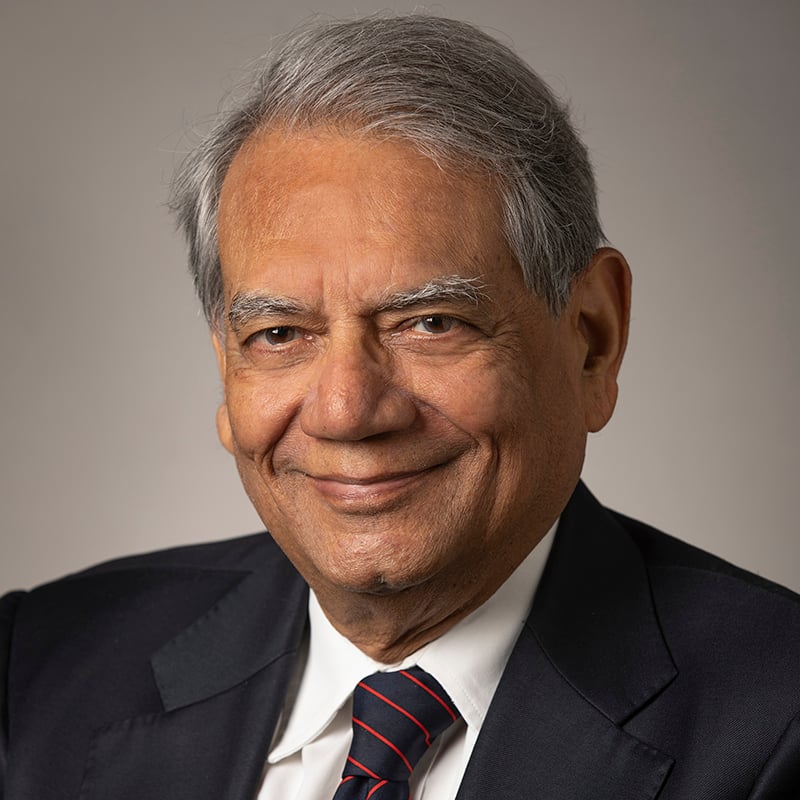

India Infrastructure Report submitted by Expert Group on Commercialization of Infrastructure Projects (1996), chaired by Rakesh Mohan
Download as PDF
The 1996 India Infrastructure Report was commissioned by the Ministry of Finance during a critical phase in India’s economic reforms. Following the liberalization policies of the early 1990s, the government sought to accelerate economic growth to an ambitious target of 7% or more annually. However, inadequate infrastructure—spanning power, telecommunications, roads, ports, and urban utilities—posed a significant obstacle. Fiscal constraints limited the public sector’s ability to address these gaps, prompting the government to explore commercialization and attract private and foreign investment. The committee was chaired by Rakesh Mohan, Director General, NCAER, was tasked with formulating a strategy to mobilize resources, improve efficiency, and develop a sustainable framework for infrastructure growth. Members included R. K. Bhatnager (Chairman, Housing and Urban Development Corporation); Shitin Desai (Vice Chairman and Managing Director, DSP Financial Consultants); Gajendra Haldea (Joint Secretary, Department of Economic Affairs); Pratip Kar (Executive Director, Securities and Exchange Board of India); S. K. N. Nair (Consultant, Former Member, Central Electricity Authority and Telecom Commission); Yogendra Narain (Chairman, National Highways Authority of India); Ravi Parthasarathy (Vice Chairman and Managing Director, Infrastructure Leasing and Financial Services Limited); R. H. Patil (Managing Director, National Stock Exchange of India); S. D. Saxena (Financial Adviser, Mahanager Telephone Nigam Limited); Pronab Sen (Economic Adviser, Planning Commission); Pradeep Shah (Managing Director, Indocam Fund Management); Siddharth Shriram (Managing Director, Shriram Industrial Enterprises Limited); Anita Soni (Deputy Director General, Department of Telecommunications); R. Venkatesan (Chief Officer, Reserve Bank of India); Arvind Virmani (Adviser, Department of Economic Affairs); and Lalita D. Gupte (Deputy Managing Director, Industrial Credit and Investment Corporation of India, Member-Secretary).
The committee highlighted several challenges that required urgent attention. Infrastructure spending, at 5.5% of GDP, was insufficient to support the targeted economic growth and needed to rise to 8% by 2005-06. Key sectors like power faced chronic shortages, telecommunications lagged in modernization, and urban infrastructure suffered from inadequate water supply, sanitation, and public transport. Transport inefficiencies, especially in roads and ports, increased logistics costs and hurt export competitiveness. The public sector’s monopoly in infrastructure provision led to inefficiencies, and fiscal limitations hindered its capacity to meet growing demands. Domestic savings—expected to rise to 14.5% of GDP by 2005-06—needed to be channelled effectively, but mechanisms to mobilize these resources into long-term infrastructure investments were underdeveloped. Regulatory uncertainties in critical sectors further deterred private investment.
To address these problems, the committee proposed a comprehensive strategy involving fiscal, regulatory, and institutional reforms. It recommended introducing tax incentives for equity and debt investments in infrastructure to attract private capital. The development of a robust domestic debt market was identified as essential for long-term financing, with reforms like securitization, bond insurance, and contingent valuation funds to manage risks and improve creditworthiness. Public-private partnerships and Build-Operate-Transfer models were emphasized as mechanisms to distribute risks and encourage private sector participation. Regulatory frameworks tailored to each sector were proposed to ensure transparency, protect investors, and support competitive market practices.
The report concluded that a combination of public and private initiatives was essential for closing the infrastructure gap and sustaining high economic growth. It called for leveraging public savings to crowd in private investment and using innovative financial instruments to manage risks. Reforms in insurance, pension, and provident fund sectors were recommended to direct household savings into infrastructure projects. Institutional mechanisms, including credit enhancements and the disinvestment of government equity in stabilized projects, were suggested to optimize resource allocation. The committee’s roadmap aimed to facilitate investments of ₹4,000-4,500 billion in the first five years (1996-2001) and ₹7,500 billion in the subsequent five, laying the foundation for India’s transition to a modern, growth-enabling infrastructure framework.
The report emphasized that without significant reforms, India would struggle to meet its infrastructure needs and achieve sustained economic growth. It underscored the urgency of implementing its recommendations to attract private investment and bridge the investment gap.