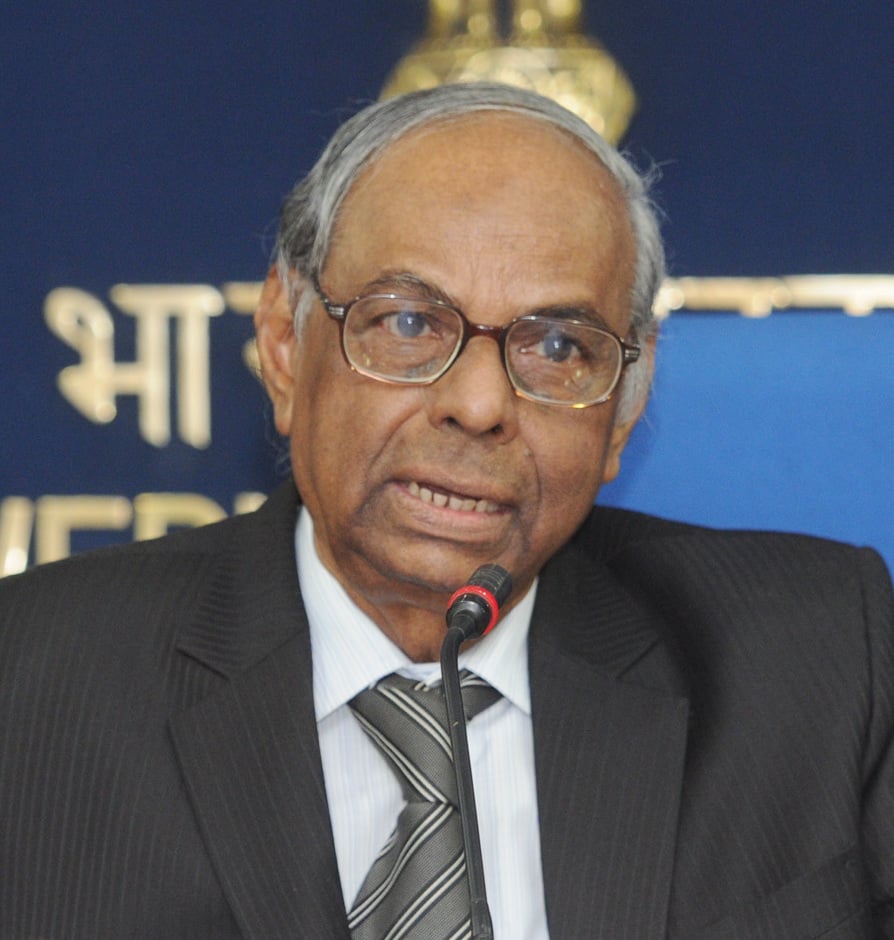

Report of the Committee on Disinvestment of Shares in Public Sector Enterprises (1993), chaired by C. Rangarajan
Download as PDF
Throughout the 1960s and ’70s, the public sector controlled the commanding heights of the Indian economy. Public sector undertakings encompassed everything from coal, oil, and steel to hotels and bread. But these enterprises were failing in terms of all types of efficiency—financial (profitability), technical (efficient production methods), allocative (resource distribution), and dynamic (ability to innovate and adapt over time).. In the 1995 fiscal, 130 out of the 241 central public sector enterprises (PSEs) made net profits totaling INR 12,120 crore. The remaining 109 units amassed losses totaling INR 4,910 crore. Two-thirds of the profits came from just 10 enterprises, among which 6 were in the oil sector. This state of affairs, coupled with pressure on India’s balance of payments, made it necessary for the government to encourage private enterprise. To this end, the proposal to divest shareholdings in PSEs was articulated in the 1991 Industrial Policy Statement. The proposal would help generate employment, reduce the fiscal deficit, and mark a departure from the principles of self-reliance, licensing, nationalization, and import-substitution industrialization that had dominated industrial policy.
Divestment (or disinvestment), as compared with privatization, implied a more gradual and smaller-scale process of modernizing PSEs and diversifying their ownership. To bring the idea to fruition, in 1992 the Ministry of Finance under Manmohan Singh appointed a committee headed by C. Rangarajan, then Governor of the RBI. Members included Y. V. Reddy (Joint Secretary (Investment); K. P. Geetha Krishnan; M. S. Ahluwalia; Ashok Desai; Suresh Kumar; and S. S. Nadkarni. The committee recommended a transparent approach to identifying and divesting PSEs, with exceptions for the defense and atomic-energy sectors, in which government ownership was considered essential. In its report, the committee outlined four modes of disinvestment: trade sale (selling assets directly to private entities), offer for sale (public share offering), strategic sale (transferring control to a specific buyer), and closure (or sale of assets).. These methods involved divesting shares through public offers, auctioning shares to a broad group, and transferring a controlling interest to specific buyers or groups of buyers. The committee proposed divesting up to 49 percent of all equity in industries exclusively reserved for the public sector and over 74 percent in other industries. However, the implementation of these recommendations faced constant obstacles because they sparked controversy.
The committee also recommended establishing an independent body to monitor and streamline the divestment program, which led to the formation of the Disinvestment Commission in 1996. In the subsequent fiscal year (1994/95), the government introduced several reforms based on the Rangarajan Committee’s suggestions. It proceeded with divesting a minority stake averaging around 8.87 percent in select PSEs. It permitted nonresident Indians, overseas corporate boards, and foreign institutional investors to bid for shares, with a reduced minimum bidding amount to spur public participation, and drew up a comprehensive plan to reserve shares for employees of central PSEs. However, unfavorable market conditions eroded the benefits of these measures, and the total revenue realized was INR 16,809 crore, much less than the ambitious target of INR 34,300.
The report highlighted the need to address inefficiencies in public sector enterprises by recommending a gradual approach to divestment. It proposed four disinvestment methods—trade sales, public offers, strategic sales, and asset sales—while maintaining full government ownership in critical sectors like defense and atomic energy. By encouraging private participation and diversifying ownership, the report aimed to reduce fiscal deficits and modernize the public sector in line with India’s liberalized economic policies.