
Report of the Committee on Mechanization of the Banking Industry (1984), chaired by C. Rangarajan
Download as PDF
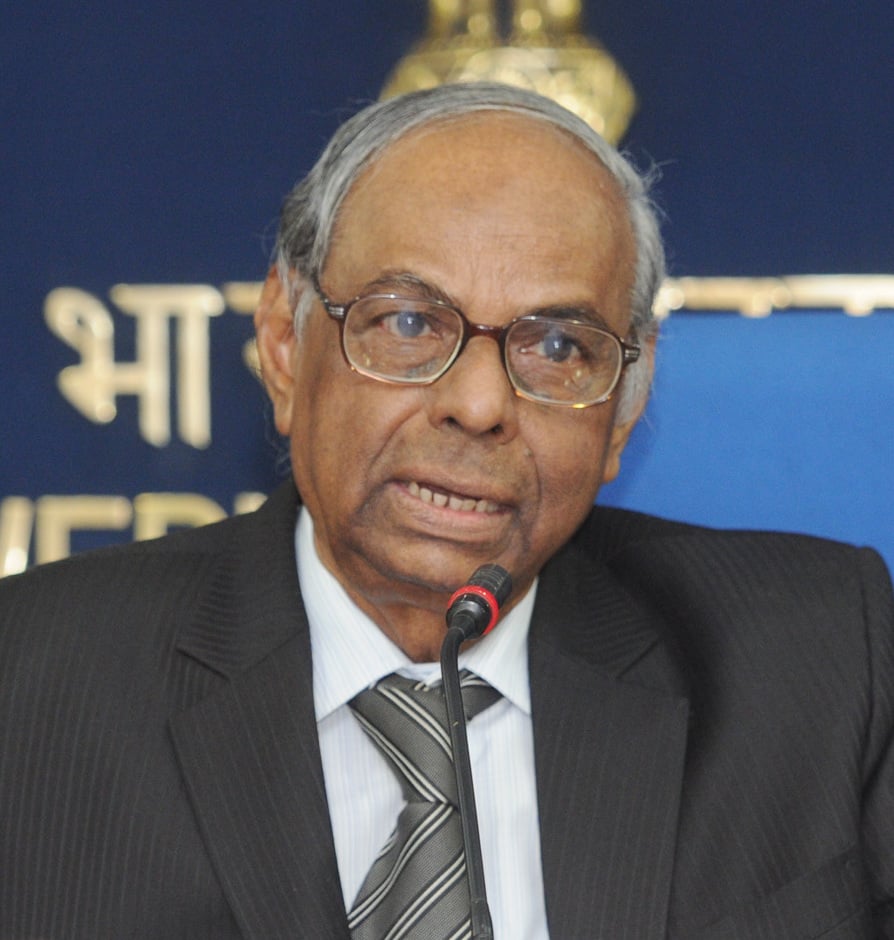
The Rangarajan Committee was established by the Reserve Bank of India in 1984 amidst significant transformation in the Indian banking sector following the nationalization of 14 banks in 1969. This period saw rapid growth in branch networks, deposits, and credit, aimed at financial inclusion and economic development. By the early 1980s, deposits exceeded ₹63,000 crore, while credit surpassed ₹41,500 crore. However, this growth also brought operational issues such as delays in financial reporting, and difficulties in managing the increasing volume and complexity of banking transactions. The committee was tasked with designing a phased program for mechanizing the banking industry to address these challenges and improve efficiency. It was chaired by C. Rangarajan, Deputy Governor of the RBI, with members M. N. Goiporia (Chairman, Dena Bank); N. Vaghul (Chairman, Bank of India); H. C. Bhambhani (Deputy Managing Director, State Bank of India); Arun Sinha (Joint Secretary, Government of India, Ministry of Finance (Banking Division)); N. Seshagiri (Director, Government of India, Department of Electronics); R. Bandyopadhyay (Director, National Institute of Bank Management); Y. B. Damle (Adviser, Management Services Department, Reserve Bank of India); U. K. Sarma (Chief Officer, Department of Banking Operations and Development, Reserve Bank of India); J. K. Satia (Professor, Indian Institute of Management, Ahmedabad); and S. P. Gothoskar (Adviser, Department of Statistical Analysis and Computer Services, Reserve Bank of India).
The committee identified several systemic issues. Manual processes struggled to handle the increased workload, leading to delays in balancing books, reconciling inter-branch transactions, and submitting statutory returns. Customer service suffered due to inaccuracies in account statements, delayed cheque clearances, and untimely processing of standing instructions. At the regional and head office levels, data flow and processing inefficiencies impeded decision-making and policy formulation. Technological adoption was minimal, with only a few banks using computers for specific tasks like payroll and reconciliations. The committee emphasized the need for mechanization to streamline operations, enhance data accuracy, and improve customer service.
The report recommended a two-stage mechanization plan. In the first stage (1985–1987), it proposed installing mainframe systems in 62 bank head offices, equipping regional offices with microprocessor systems, and introducing mechanized solutions in 2,500 high-volume branches. The second stage (1988–1989) aimed to extend mechanization to 6,000 additional branches. Mechanization models included standalone ledger posting machines for small branches and integrated microprocessor-based systems for larger ones. Standardized coding systems, data flow frameworks, and uniform ledger formats were suggested to ensure compatibility across banks. The committee also recommended addressing staff concerns through training and ensuring job security during the transition.
The committee’s recommendations for mechanizing banking were progressively implemented, including advanced ledger posting machines and branch-level automation, despite union resistance. A 1988 follow-up plan enabled Total Branch Automation and ATMs. These efforts, later supported by Institute for Development and Research in Banking Technology, laid the foundation for India’s modern digital banking infrastructure.