
Report of the High Level Committee on Law Relating to Insolvency and Winding up of Companies (2000), chaired by V. B. Eradi
Download as PDF
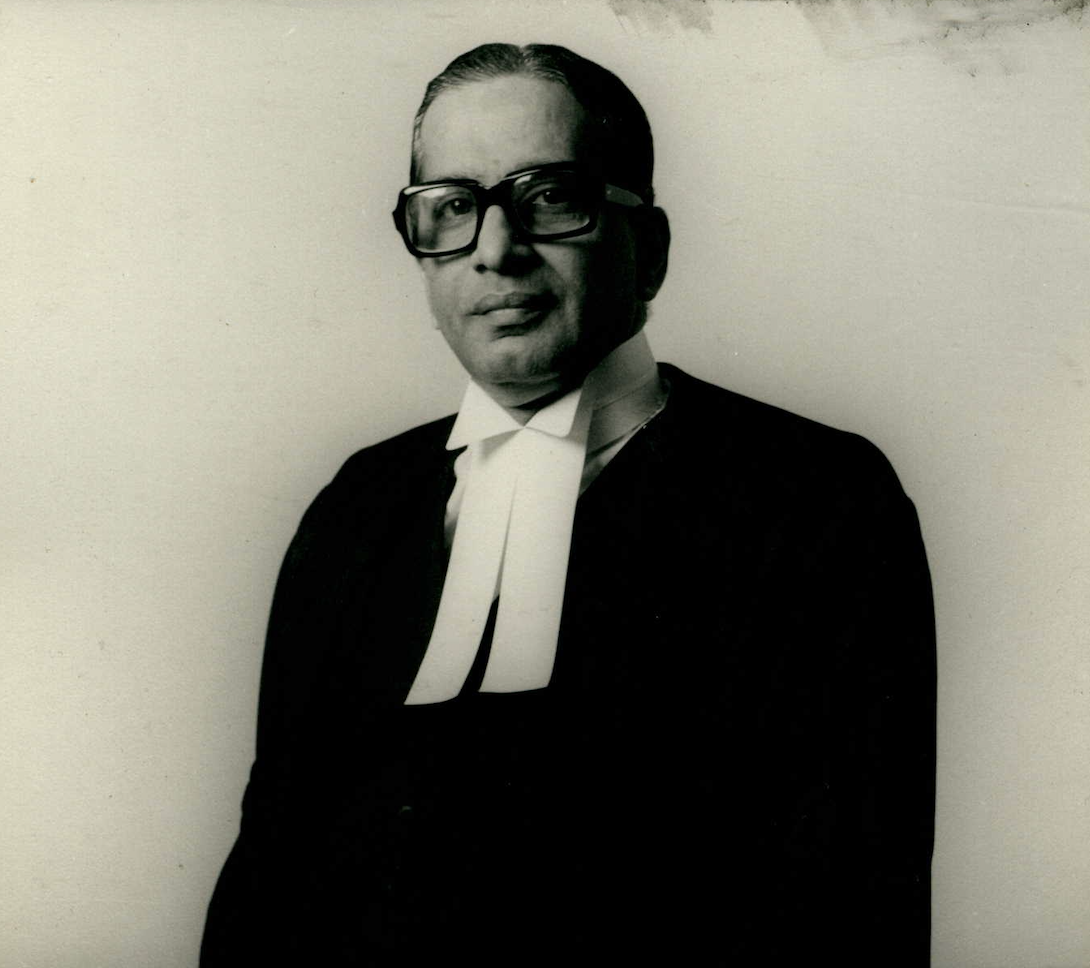
The 1991 reforms opened India to the global landscape, allowing foreign firms to operate within the country and facilitating greater exchange between domestic and international entities. This integration with the world economy underscored the pressing need for insolvency laws that aligned with international standards. Recognizing this necessity, the Ministry of Law, Justice, and Corporate Affairs convened a committee in October 1999 under the chairmanship of Justice V. Balakrishna Eradi, a retired Supreme Court judge. Members included Subodh Bhargava (Confederation of Indian Industries); V. K. Bhasin (Joint Secretary & Legislative Counsel, Ministry of Law, Justice and Company Affairs); U. P. Mathur (Advocate); C. G. Raghavan (Former Dean, Professor and Head of the Dept. of Law, Nagpur University); S. Ramaiah (Advocate and Chairman, Copyright Board, former Law Secretary, Govt. of India); G. M. Ramamurthy (Chief General Manager (Legal), Industrial Development Bank of India); A. V. Sambasiva Rao (Advocate, Vice President, All India Bhartiya Majdoor Sangh); Shardul Shroff (Advocate); and S. B. Mathur (Director, Inspection and Investigation, Department of Company Affairs, Ministry of Law, Justice and Company Affairs). The committee’s mandate was to scrutinize the existing legal framework governing the winding-up proceedings of companies and recommend reforms to align it with contemporary corporate-law developments and global best practices. The goal was to streamline the insolvency process and mitigate unnecessary delays.
The committee’s findings shed light on the detrimental impact of procedural delays, which effectively locked up valuable economic resources in prolonged litigation and inefficient resolution processes. This underscored the urgent need for reforms to enhance the efficiency of the insolvency process and harmonize it with international practices. The report revealed a substantial backlog of winding-up cases, with numerous companies entangled in the process for over 25 years, highlighting the pressing need for a streamlined and expedited procedure. Alarmingly, the number of pending cases with the Board for Industrial and Financial Reconstruction escalated from 17 in 1987 to 295 in 1999. Official liquidators grappled with overwhelming workloads, inadequate staffing, and a lack of necessary infrastructure, further exacerbating the delays. Additionally, procedural hurdles such as delays in the submission of statements of affairs by companies, the necessity to prosecute delinquent directors, and the absence of professional insolvency practitioners in the liquidation process compounded the inefficiencies within the system.
To address these challenges, the Eradi Committee put forth several key recommendations. These included the establishment of the National Company Law Tribunal to centralize and expedite insolvency proceedings, the adoption of the UNCITRAL Model Law on Cross-border Insolvency to handle international insolvency cases effectively, and the involvement of professional insolvency practitioners to improve the efficiency of the liquidation process. The committee also proposed creating a fund for reviving and rehabilitating companies, aiming not only to liquidate financially distressed entities but also to explore possibilities for reviving them. Furthermore, the committee recommended amending the Companies Act (1956) to allow companies with paid-up capital of Rs. 10 lakh or more to submit winding-up petitions to the proposed tribunal, while companies with paid-up capital below that threshold would resort to voluntary winding up.
Following the committee’s recommendations, the National Company Law Tribunal and the National Company Law Appellate Tribunal were established to consolidate and replace the Company Law Board, the Board for Industrial and Financial Reconstruction, and the Appellate Authority for Industrial and Financial Reconstruction. This move aimed to streamline the resolution of corporate disputes, insolvencies, and liquidations by providing a more specialized and efficient mechanism for handling corporate-law matters.
The Eradi Committee identified issues such as prolonged litigation, inadequate infrastructure, and procedural delays in India’s insolvency framework. Its recommendations, including the establishment of the National Company Law Tribunal and the adoption of cross-border insolvency standards, aimed to address these challenges and modernize the insolvency process.