
Report of the Industrial Licensing Policy Enquiry Committee (1969), chaired by Subimal Dutt
Download as PDF
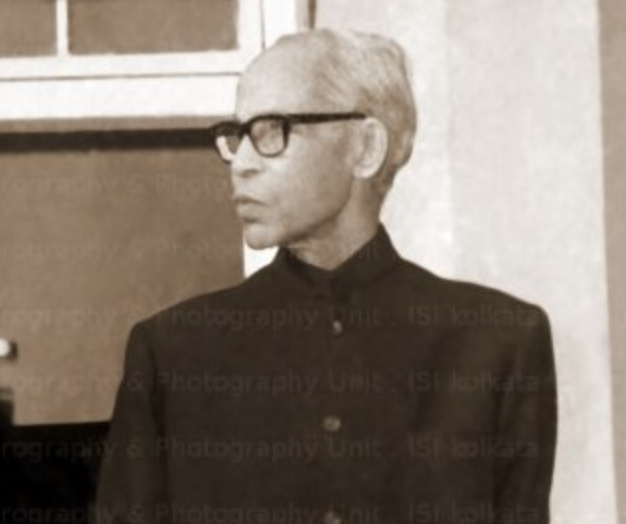
In 1965, the Monopolies Inquiry Commission put forward a proposal to limit economic concentration. Later, the Dutt Committee on licensing provided the impetus for the Monopolies and Restrictive Trade Practices Act of 1969. The committee was chaired by Subimal Dutt, Central Vigilance Commissioner, and included H. K. Paranjape (Indian Institute of Public Administration); S. Mohan; and M. S. Thacker (initial Chairperson who resigned and was replaced by Dutt) as members. It was formed by the government to assess how the industrial licensing system had fared in the past decade and whether it had met the stated objectives of balanced regional dispersal of industrial growth, full use of issued licenses, and development of small and medium-scale enterprises.
The Dutt Committee’s recommendations focused primarily on rampant corruption in the license-distribution system. It was unsparing in its criticism of big business houses (that is, those with assets exceeding INR 35 crore) for manipulating the system for their own benefit. There were 20 such establishments at the time, along with over 50 large industrial houses and 60 large independent entities. The committee echoed the findings of the 1967 Hazari Committee, highlighting the issue of multiple licenses being granted to the same house within the same industry, often with excessive capacity and in collusion with the administration. These practices directly undermined the development goals outlined in the 1956 industrial policy: regional dispersal of industries, and industrialization based on import substitution.
The report shed light on discrepancies in how areas reserved for public sector activities had been opened up to private entities. Four states had gained a majority of licenses, and large businesses had reaped most of the benefits from government support, including Life Insurance Corporation and Unit Trust of India. The report also revealed that businesses, through inadequate government oversight, had misused authorization for importing capital goods to expand their capacity beyond approved levels, which they later sought to legalize. In the end, however, the Dutt Committee report concurred with preceding committees’ recommendation that the industrial licensing system should be sustained, but with modifications. As Rakesh Mohan and Vandana Aggarwal put it, “The fig leaf of planned development through licensing and controls has remained. That the emperor has no clothes has been too painful for the system to acknowledge.” The New Industrial Policy (1970), which limited the large business houses’ role to the core, heavy, and export-oriented sectors, and the Monopolies and Restrictive Practices Act (1969) were direct results of the recommendations of the Dutt Committee.
The Dutt Committee examined the industrial licensing system, exposing corruption and favoritism toward large business houses that undermined development goals. It recommended reforms to address these issues while maintaining licensing, influencing the New Industrial Policy of 1970 and the Monopolies and Restrictive Practices Act of 1969.