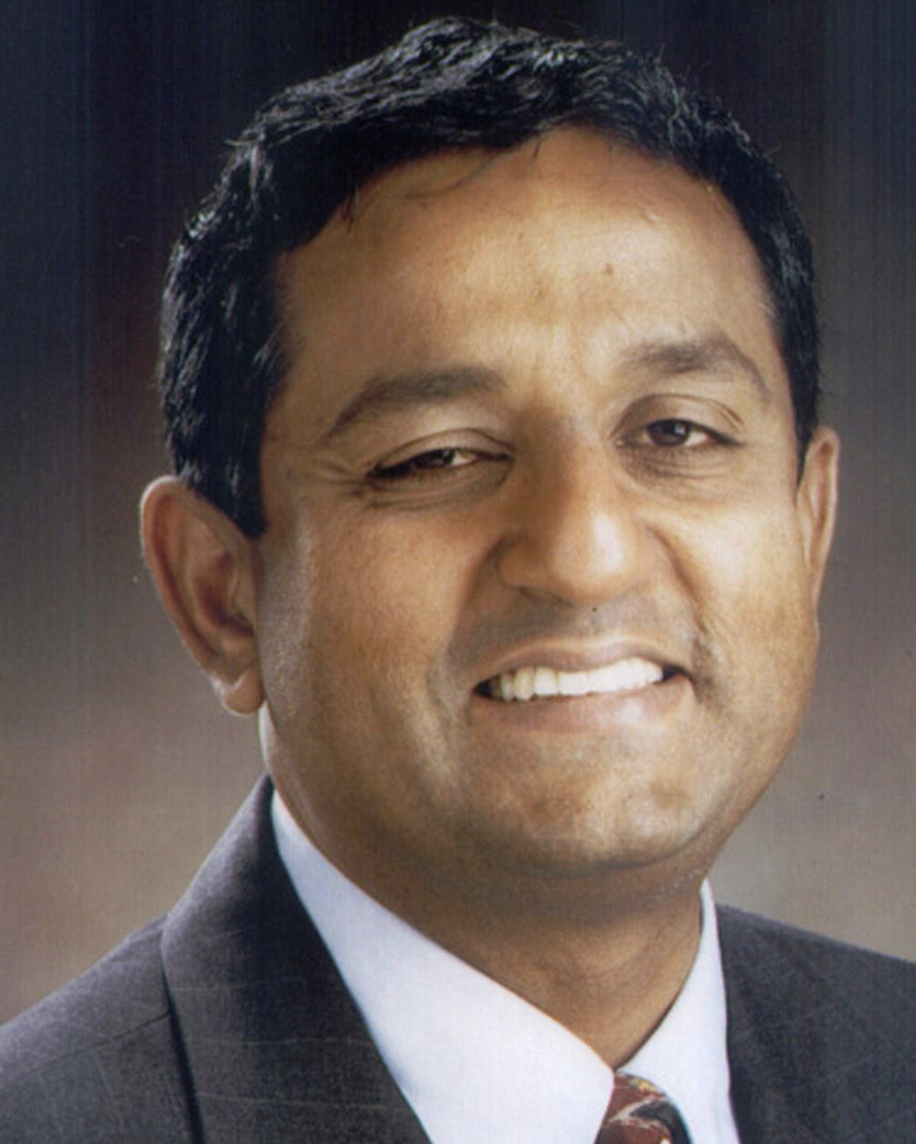

Report of K. B. Chandrasekhar Committee on Venture Capital (2000), chaired by K. B. Chandrasekhar
Download as PDF
In 1999/2000, the Securities and Exchange Board of India (SEBI) commissioned a committee on venture capital, chaired by K. B. Chandrasekhar, Chairman, Exodus Communications. Members included L. K. Singhvi (Member-Secretary); Sabeer Bhatia; Rafiq Dossani; Arvind Virmani; A. N. Prasad; M. G. Srivastava; Sailendar Narain; S. K. Chakrabarti; K. Ramachandran; Sudhir Sethi; Jonathon Bond; Pradip Shah; Vishnu Varshney; Vimal Bhandari; A. V. Jayachander; Joseph Bosco; Uday Kotak; Rajendra P. Chitale; and Nishith M. Desai. The Chandrasekhar Committee Report laid out a comprehensive vision to develop a robust venture capital industry in India. Despite the country’s vast potential with its large pool of skilled and cost-competitive manpower, premier technology and management institutions, and success in sectors like IT, India’s venture capital landscape remained nascent. Cumulative venture capital disbursements at the time were under $500 million, with only 36 percent going to technology firms. The committee recognized venture capital’s crucial role in promoting innovation, enterprise, and commercialization of scientific and technological ideas to drive sustainable economic growth.
To unlock India’s entrepreneurial potential, the report made sweeping recommendations across multiple fronts. Centrally, it advocated creating an enabling regulatory, tax, and legal environment by consolidating existing regulations under a uniform SEBI framework for hassle-free single-window clearance. It proposed treating venture capital funds (VCFs) as tax pass-through entities akin to mutual funds to avoid double taxation. To augment the domestic pool of resources, which was 80 percent foreign funded, it recommended allowing institutional investors like banks, mutual funds, and insurance companies to invest in SEBI-registered VCFs within prudential limits. The report emphasized structural flexibility by permitting alternative vehicles like limited partnerships, limited liability partnerships, and corporations to facilitate risk-sharing and compensation arrangements. It also called for relaxing restrictions that limited investment ceilings, defined eligible sectors, constrained exit strategies such as buyback norms, and imposed conditions on IPO eligibility for companies funded by registered VCFs..
To attract foreign investment and integrate with global markets, the report proposed tax exemptions and an automatic route for investments and disinvestments by foreign venture capital investors without cumbersome approvals. It advocated allowing domestic VCFs to invest up to 25 percent of their corpus or $10 million in unlisted foreign companies for global exposure. Prioritizing infrastructure development through incubators, university-industry linkages, and programs akin to US Small Business Investment Companies was deemed crucial for faster commercialization of R&D. Successful implementation was projected to attract $10 billion in offshore investments over three to five years, add $100 billion to GDP by 2005, and generate around 3 million skilled jobs, positioning India as a global leader in high-value innovation and product development.
The suggestion of designating VCFs as tax pass-through structures was accepted, and income earned by such category-1 alternative investment funds are exempt from taxation at the fund level. The suggestion of permitting structural flexibility of the VCFs was also accepted, and VCFs can take various forms. But buyback of securities is only permitted through profits or proceeds from fresh issues of securities, which makes it difficult to exit.
The Chandrasekhar Committee recommended consolidating venture capital regulations under a SEBI framework, introducing tax pass-through status for funds, allowing institutional and foreign investments, and enhancing exit options for venture-backed companies. These measures aimed to strengthen India’s venture capital ecosystem, increase funding for innovation, and integrate the sector with global financial markets.