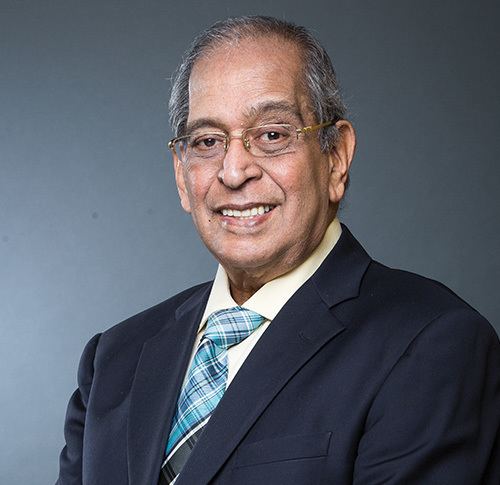

In its recommendations, the Sukhamoy Chakravarty report of 1985 identified the need to develop the money market in India. The committee felt that a well-developed money market would be an important monetary-regulation measure. Subsequently, in 1987, a working group was set up by the Reserve Bank of India and R. N. Malhotra, under the chairmanship of Narayan Vaghul, the then-chairman of the Industrial Credit and Investment Corporation of India (ICICI), to examine the money market in terms of its instruments, the pattern of interest rates, the feasibility of expanding market participation, and the impact of changes in the cash credit system, among other matters. This initiative was part of a broader recognition of the need for systemic financial reforms to enhance the efficiency and depth of India’s financial markets. Committee members included M. J. Pherwani (Chairman, Unit Trust of India); S. Padmanabhan (Chairman, Indian Overseas Bank); R. Narasimhan (General Manager, State Bank of India); K. Sajeeve Thomas (Vice-President, Citibank); V. B. Desai (Stockbroker); and S. S. Tarapore (Advier-in-charge, Credit Planning Cell, RBI).
The report noted the money market’s narrow base and restricted participation as well as the predominance of tightly regulated interest rates. It noted that interest rate ceilings, particularly in the call money market, were initially introduced to stabilize the banking system by preventing interest rates from reaching disruptively high levels. Despite this intention, market participants had developed methods to circumvent these ceilings, such as engaging in buyback arrangements in government securities and breaching interest rate ceilings on interbank term deposits and loans. The market was characterized by a lack of diverse financial instruments and an overreliance on call money and short-term deposits, with minimal activity in rediscounting bills and virtually no commercial paper market. Rediscounting often took place at the 11.5 percent ceiling on the rediscount rate, which became the effective rate, hinting at a lack of market-driven price discovery.
The report put forth a wide array of recommendations aimed at revitalizing the money market. These included abolishing the interest rate ceiling on call money transactions (with suggestions for a phased approach), expanding the number of instruments and participants in the money market, and instituting measures to develop the commercial paper and bill markets. The report also recommended creating a finance house to support market operations and proposed legislative changes to facilitate market development. The overarching goal of these recommendations was to create a more dynamic, efficient, and inclusive money market that could better serve the needs of the economy.
Key recommendations led to significant policy and market shifts, including the deregulation of interest rates in May 1989, introduction of new instruments like 182-day and 364-day Treasury bills, CDs, and commercial paper, and the establishment of institutions like the Discount and Finance House of India in 1988 and the Clearing Corporation of India Limited in 2001. These reforms, aimed at widening the market and providing more investment options, marked a turning point in the evolution of the money market. They focused on the need for flexibility, diversification, and regulatory oversight to foster a dynamic and efficient financial ecosystem supportive of economic growth.
The committee emphasized the need to reform and diversify India's money market, recommending measures like deregulating interest rates, introducing new financial instruments, and broadening market participation.