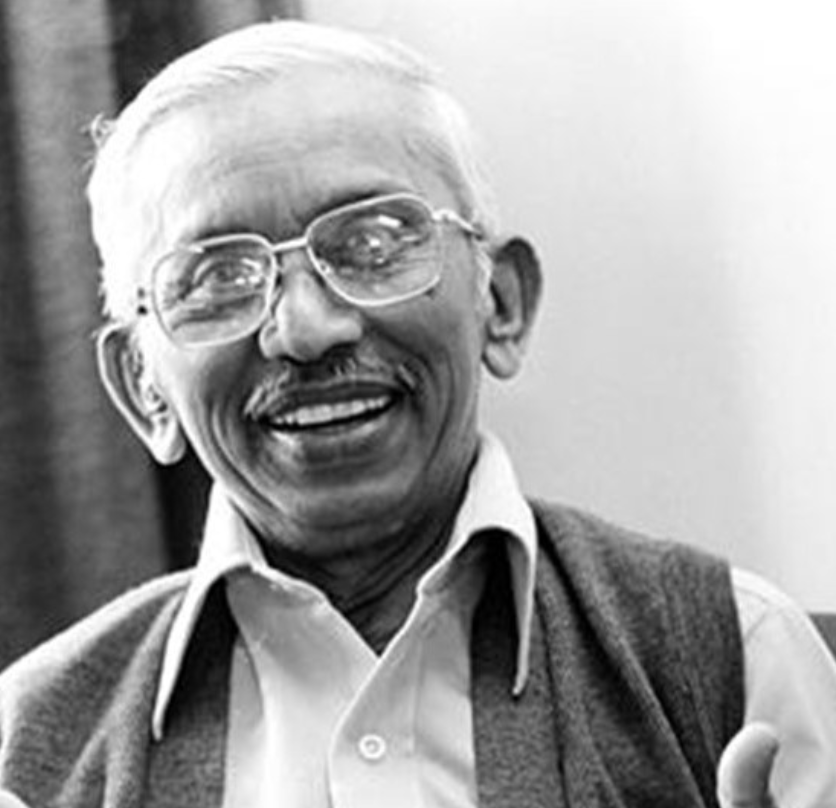

India’s tax regime before 1991 was marred by complexity and distorted incentives. The tax administration had to deal with inefficient tax collection, a narrow consumption base, the lack of a national value-added tax, and widespread evasion; meanwhile, corporate taxation was discriminatory and customs and excise duties were high. Manmohan Singh as Finance Minister appointed the Tax Reforms Committee to spearhead policy making related to these issues. It was headed by Raja J. Chelliah, founder-director of the National Institute of Public Finance and Policy and a former member of the Planning Commission and the Finance Commission. Committee members included S. V. Iyer; V. U. Eradi; and V. Rajaraman.
The committee produced three detailed reports between 1991 and 1993. It first dealt with the guiding principles for tax reform and how to apply them, then addressed issues in tax administration, and finally wrote on restructuring the tariff structure. Its recommendations were as follows: reduce corporate tax rates, marginal tax rates, and customs duties and tariffs; integrate excise duties in the services sector with a value-added tax; expand the tax base; and computerize tax information. Customs tariffs carried a hundred rates ranging up to 400 percent; the committee suggested reducing, by FY 1997/98, the number to seven rates (5, 10, 15, 20, 25, 30, and 50 percent) tied to the stages of production. The overall objective was to reduce the share of trade taxes in overall revenue, augment the share of domestic-consumption taxes via a value-added tax, and increase the relative amount of direct taxes. These measures would not only bring the tax regime in line with global best practices but enhance the effectiveness of revenue collection in the longer run.
Finance Minister Manmohan Singh’s FY 1992/93 budget rationalized direct taxes in line with the Chelliah Committee’s recommendations. It decreased the number of personal income tax rates to three (20, 30, and 40 percent), decreased the wealth tax on assets and exempted financial assets from it, and reduced the maximum marginal rate to 1 percent. Similarly, the FY 1993/94 budget reduced the corporate income tax rate, and the FY 1997/98 budget reduced income tax rates (to 10, 20, and 30 percent). In general, tax administration was strengthened by instituting the Permanent Account Number system, expanding coverage, and employing better information-management practices.