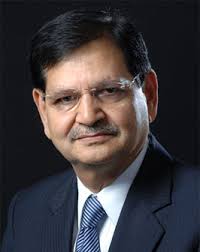

Consultation Paper on Introducing Competition in Generation of Electricity (2004), authored by Gajendra Haldea
Download as PDF
The Central Electricity Regulatory Commission commissioned the National Council of Applied Economic Research (NCAER) to draft a consultation paper in 2004 on introducing competition in electricity generation, which was to be authored by Gajendra Haldea, Chief Executive, NCAER. Historically, India’s electricity sector was controlled by state-owned monopolies, particularly after the nationalization following the Electricity (Supply) Act of 1948. By the 1990s, policymakers had made efforts to reform the sector, including dividing state electricity boards into separate entities for generation, transmission, and distribution. However, competition remained limited, as distribution companies continued to operate under the single-buyer model, which restricted the entry of new players into the market.
The paper stressed the importance of introducing competition in electricity generation to reduce costs, improve efficiency, and empower consumers through choice. It referenced international experience, such as that of the United Kingdom, where consumer choice in the electricity sector was introduced in 1990, leading to lower tariffs. The paper argued that India’s electricity sector could benefit from competition by attracting private investment, improving quality, and eliminating persistent electricity shortages.
The paper made several key recommendations for fostering competition in the electricity sector. It called for dismantling state-owned monopolies, particularly in distribution, and urged the introduction of open access to transmission and distribution networks to allow electricity producers to sell directly to consumers. The paper emphasized the need to separate the functions of electricity transmission from generation and supply to prevent conflicts of interest and ensure nondiscriminatory access. It also advocated establishing independent system operators to oversee electricity flows, regulate access, and maintain grid security. Additionally, the paper highlighted the importance of updating the regulatory framework to support competition, particularly through reforms that reduce cross-subsidization of tariffs and ensure fair pricing for consumers. Finally, the paper recommended that states move quickly to implement open access and not wait the full five years allowed under the Electricity Act of 2003.
The paper’s recommendations aimed at promoting efficiency, reducing costs, and improving service quality in the electricity sector. By encouraging competition, the sector could attract private investment, improve resource allocation, and address the ongoing electricity shortages that had long plagued the country.
The Electricity Act of 2003 had paved the way for reform by delicensing generation, allowing private sector entry. The Tariff Policy of 2006 later mandated competitive bidding for power procurement, reducing prices, particularly in renewable energy. Open access to transmission networks enabled private generators to sell electricity directly to consumers. These reforms fostered competition and increased private investment in generation, especially in renewables. The paper highlights how competition in electricity generation, supported by structural reforms such as dismantling state monopolies and enabling open access, could attract private investment, lower costs, and improve service quality—outcomes partially realized through subsequent measures under the Electricity Act of 2003 and the 2006 Tariff Policy.