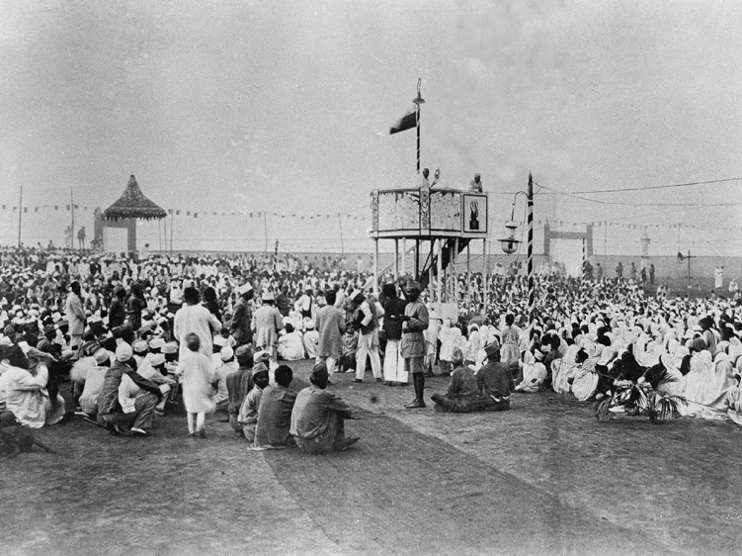

In 1931, Protectionism gained prominence after the Karachi Resolution.
The Karachi Resolution was passed by the Indian National Congress party (or simply Congress) in its 1931 session against the backdrop of the Gandhi-Irwin Pact and the civil disobedience movement. The resolution called for complete independence for India, outlined the socialist outlook, and argued for protectionism and other trade controls. Two points in the resolution are worth noting:
1. “Protection of indigenous cloth by exclusion of foreign cloth and foreign yarn from the country.” This provision reflected Indian leaders’ focus on the country’s competitive textile industry and the harm foreign cloth and yarn had done to the industry. It speaks to Congress’s commitment to promoting indigenous industries and otherwise protecting Indian economic interests. Congress believed that India should be able to develop its own industries and become economically self-sufficient once freed from British colonial rule.
2. “Control by the State of key industries and ownership of mineral resources.” This provision reflected Congress’s belief that key industries and mineral resources were of strategic importance to the economy and should be under state control to ensure that their benefits were distributed fairly to the country’s citizens. The provision also reflected Congress’s commitment to promoting indigenous industries and economic self-sufficiency and reducing reliance on foreign capital and resources.
The Karachi Resolution, a significant milestone in India’s independence movement, galvanized support for both nationalism and socialism. It also sowed the seeds for protectionism, which dominated economic policy for decades after independence until the 1991 reforms liberalized the economy.