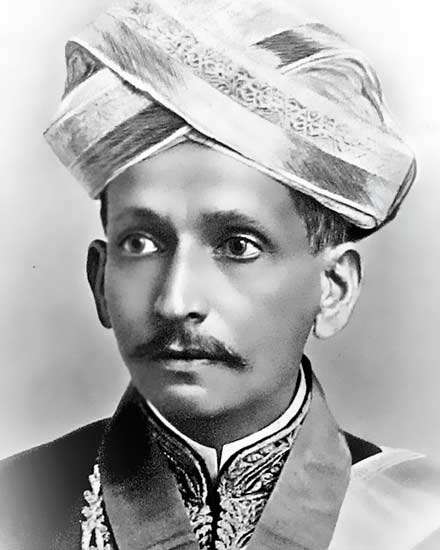

In 1934, M. Visvesvaraya publishes Planned Economy for India, advocating planned economic development.
Planned Economy for India, written by M. Visvesvaraya and published in 1934, is one of the earliest blueprints for structured economic development in India. The nation was still under British colonial rule, and Visvesvaraya, a distinguished engineer and statesman, emphasized the need for a comprehensive plan to modernize and industrialize the economy. His work laid the conceptual foundation for India’s adoption of economic planning strategies after independence.
Visvesvaraya argued for establishing key industries, developing infrastructure, and intervening in the economy to foster industrial growth, job creation, and self-sufficiency. His proposal included an ambitious 10-year plan to increase national income by targeting strategic sectors such as steel, chemicals, and railways. He envisioned a mixed economy in which both the public and private sectors would play essential roles.
The book significantly influenced Indian leaders and economists, including Jawaharlal Nehru, who later implemented Five-Year Plans inspired by Visvesvaraya’s ideas. Planned Economy for India is thus a pivotal text in Indian economic history, presenting a vision of self-reliance that helped shape India’s early economic policies and aspirations for independence and industrialization.