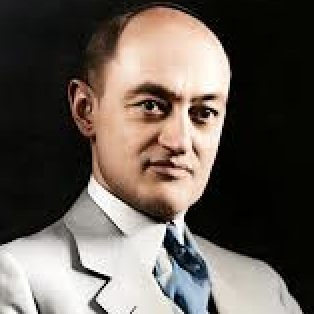

In 1942, economist Joseph Schumpeter develops a theory of creative destruction, which underscores the importance of innovation for long-term economic development.
Economist Joseph Schumpeter’s 1942 theory of creative destruction describes the process by which innovations and new technologies cause old industries and economic structures to be displaced, leading to continuous economic progress and transformation.
Creative destruction is characterized by the dynamic and disruptive nature of innovation, which, although causing short-term dislocations and economic upheaval, ultimately results in economic growth, higher productivity, and improved standards of living. This process underscores the idea that long-term economic growth is achieved through the continuous renewal and transformation of the economy.
India’s economic reforms of 1991 can be seen as initiating creative destruction. The reforms, which included liberalization, deregulation, and opening up to foreign investment, dismantled many restrictive policies, allowing new industries to emerge and flourish. For instance, inefficient public sector enterprises and outdated industries were gradually replaced by more competitive private sector firms. This transformation facilitated technological advancements, increased productivity, and integration into the global economy, driving substantial economic growth.
The policymakers behind the reforms understood the need to dismantle the old economic structures to pave the way for innovation and growth, indirectly aligning with Schumpeter’s theory that continuous economic renewal is essential for long-term prosperity.