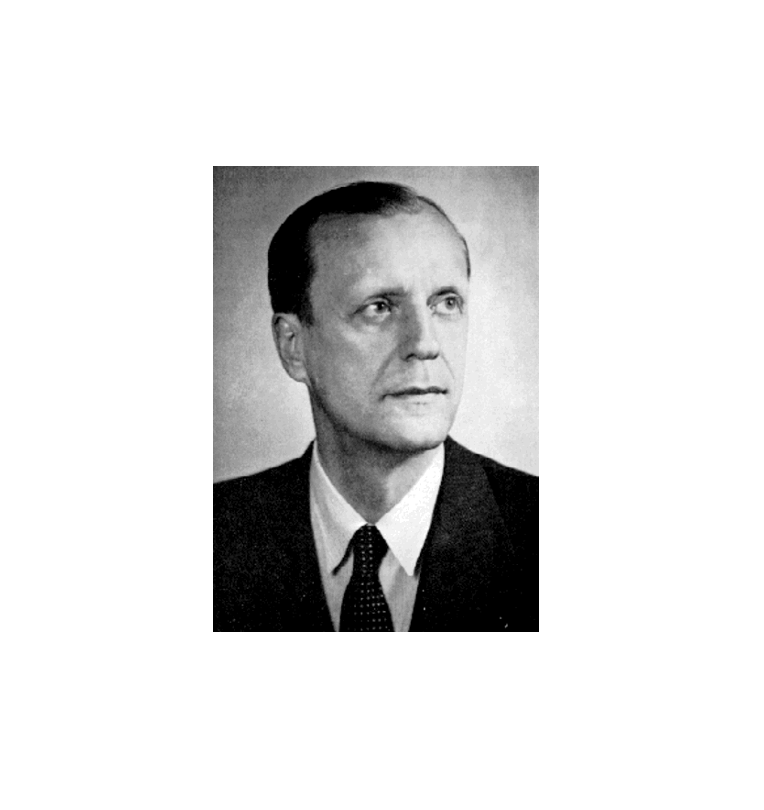

In 1953, Ragnar Nurkse’s balanced-growth theory shapes India’s industrialization strategy.
Because income levels in underdeveloped countries are lower than elsewhere, savings are typically low, which leads to limited demand and thus less investment in the economy. Ragnar Nurkse, an Estonian American economist and policy maker, thus advised governments to intervene through economic planning. He argued that capital accumulation was a key driver of economic development and that developing countries needed to invest in physical capital (such as infrastructure and factories) and human capital (such as education and training) to achieve sustained growth.
He emphasized the importance of balanced growth, which meant that investment should be directed toward all sectors of the economy, rather than just a few select industries. This would bring about greater productivity, foster demand, and grow the economy while avoiding overspecialization, which can create imbalances in the economy.
One of the key architects of India’s economic planning strategy, P. C. Mahalanobis, was Nurkse’s student at the London School of Economics, and he applied Nurkse’s ideas to India. Mahalanobis believed that India’s development strategy needed to prioritize investment in heavy industries such as steel, machinery, and chemical production in order to create a strong foundation for sustained growth.
In addition to Mahalanobis, other Indian policy makers and economists were also influenced by Nurkse’s ideas. For example, economist V. K. R. V. Rao, the chair of the Economic Advisory Council to the Prime Minister in the 1950s, was a strong proponent of Nurkse’s theory of capital accumulation. He argued that investment in infrastructure was essential for economic development.
Nurkse’s work on economic development and capital accumulation had an important influence on India’s policy making, shaping the country’s industrialization strategy and broader approach to economic development.