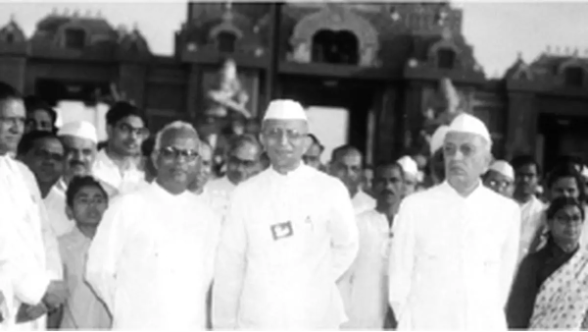

In 1955, the Avadi session of the Indian National Congress established socialism in India.
The concept of socialism was solidified in Indian ideology during the Avadi session of the Indian National Congress political party, which resolved to pursue the “establishment of a socialistic pattern of society where the principal means of production are under social ownership or control” and there is “equitable distribution of the national wealth.”
The ensuing two and a half decades witnessed a remarkable transformation in India’s economic landscape. The resolution’s ideals reverberated through the corridors of power. The government nationalized key industries, redistributed wealth, and prioritized public welfare to reduce disparities in income and wealth, promote social justice, and reduce exploitation of the marginalized.
Through its Five-Year Plans, the government targeted comprehensive socio-economic growth, focusing on heavy industries and emphasizing the role of public enterprises. Large strides were made in sectors like infrastructure, manufacturing, and education, reflecting the spirit of the Avadi resolution.
While the resolution paved the way for a degree of industrial self-reliance and a more equitable society, it also led to inefficiencies within the public sector and slower economic growth. The socialist system it established set the stage for the economic liberalization that would follow in the 1990s.