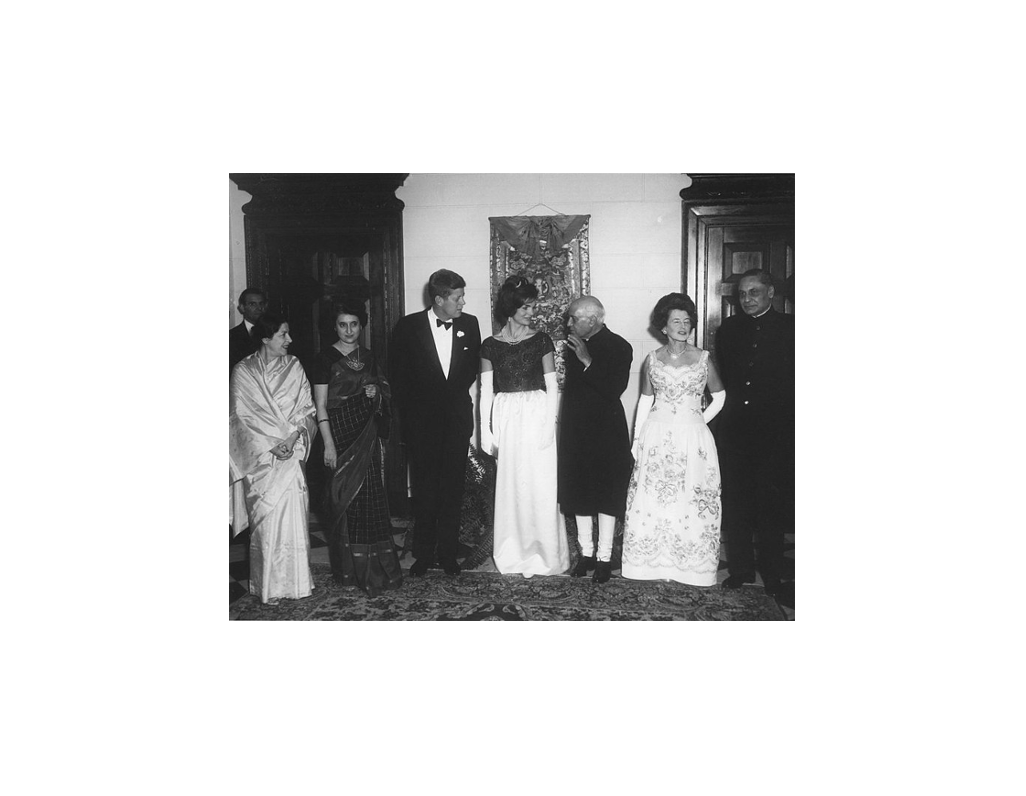

In 1958, The Aid India Consortium was formed, pledging foreign aid to India in the midst of balance-of-payments pressures.
In 1958, India faced mounting balance-of-payments pressures, necessitating foreign aid to stabilize itself. The Aid India Consortium was formed as an emergency measure to circumvent these pressures.
The consortium evolved from its initial short-term role into a consistent source of foreign aid for India throughout the 1950s and 1960s. It also became a platform for obtaining endorsements for India’s economic plans from international bodies and other countries, showcasing its increasing relevance in India’s economic discourse.
The consortium counted some of the world’s major economies as donors, including the USA, the UK, West Germany, Canada, and Japan. The International Bank for Reconstruction and Development and the International Monetary Fund also played a significant role as observers, highlighting the strategic importance of this initiative.
Key Indian figures led the negotiations with international organizations and governments, demonstrating India’s commitment to taking advantage of the consortium. They included prominent economists and nationalists such as B. K. Nehru, Morarji Desai, L. K. Jha, and officials from the Reserve Bank of India. By playing a vital role in securing foreign aid, the consortium enabled India to navigate its economic challenges and its economic footing.