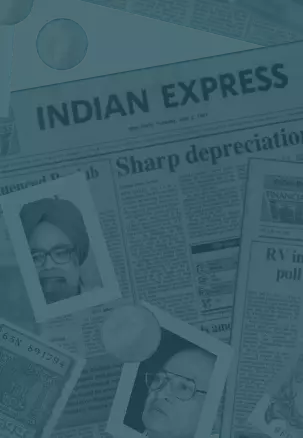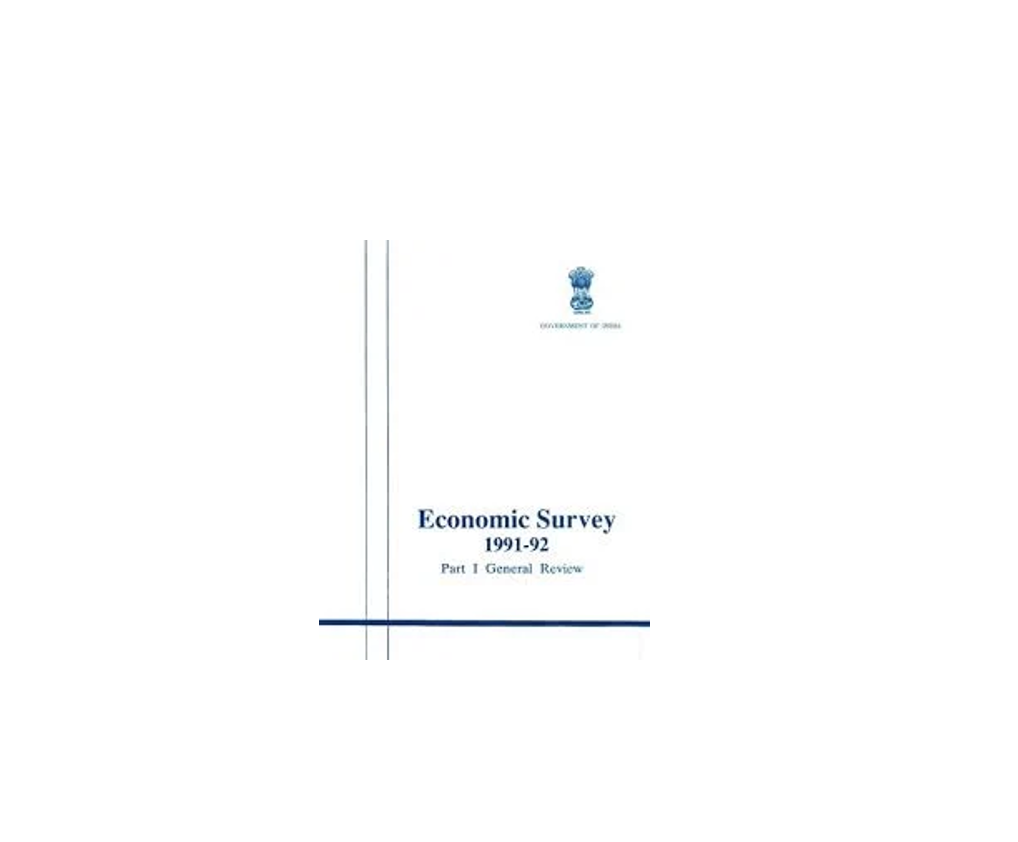

The 1991–92 Economic Survey of India highlights the impending balance-of-payments crisis and underscores the need for economic reforms.
The Economic Survey of India is an annual document released by the Ministry of Finance, Government of India, that provides a comprehensive overview of the country’s economic performance and policy challenges. The 1991–92 survey was particularly significant, as it was released at the time of India’s severe balance-of-payments crisis and its reforms to avert the crisis.
The survey highlighted structural weaknesses in the Indian economy, such as:
- High fiscal deficits and public debt
- Inefficient and loss-making public sector enterprises
- A complex and burdensome regulatory environment
- Inadequate infrastructure and low productivity
- A narrow and inward-looking industrial base
The survey also outlined the government’s response to the crisis, including the introduction of the New Economic Policy and the economic reforms that followed.
The survey acknowledged the challenges faced in implementing the reforms, including resistance from vested interests and the need for political consensus. However, it argued that the reforms were necessary to address the inherent weaknesses in the economy and promote sustainable growth and development.
The 1991–92 Economic Survey of India is a critical document in India’s economic history, as it marked a significant shift in the country’s economic policies and paved the way for the liberalization that followed.