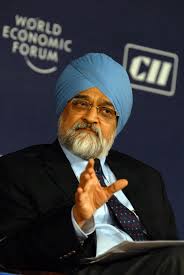

In 2002, Montek Singh Ahluwalia publishes Economic Reforms in India since 1991: Has Gradualism Worked?, evaluating India’s path of gradual economic reform.
In “Economic Reforms in India since 1991: Has Gradualism Worked?” (2002), Montek Singh Ahluwalia assesses India’s choice to implement economic reforms gradually rather than through rapid, sweeping changes, examining the effectiveness and outcomes of this approach. Ahluwalia, a key architect of India’s reforms, argues that gradualism allowed India to balance economic liberalization with social stability, avoiding the upheavals faced by countries undergoing swift transitions. The paper evaluates how incremental reforms in areas such as trade liberalization, financial-sector modernization, and deregulation transformed India’s economic stagnation into sustained growth.
Ahluwalia discusses both the successes and limitations of gradualism. On the one hand, this measured approach helped maintain political consensus and allowed for adjustments in response to emerging challenges, which supported continuous economic growth. Key achievements included rising GDP growth rates, increased foreign investment, and expanding export markets. However, Ahluwalia acknowledges that gradualism sometimes led to slower progress or missed opportunities in critical areas, such as labor market reform and infrastructure development, where more decisive action could have accelerated improvements.
Ahluwalia concludes that while gradualism has generally been effective, the approach also necessitates a focus on sustaining the momentum of reform. He calls for continued, more comprehensive reforms to address bottlenecks, ensuring that the benefits of growth reach all segments of society. His analysis highlights the balance between economic transformation and social stability, with lessons for India to guide future reforms.