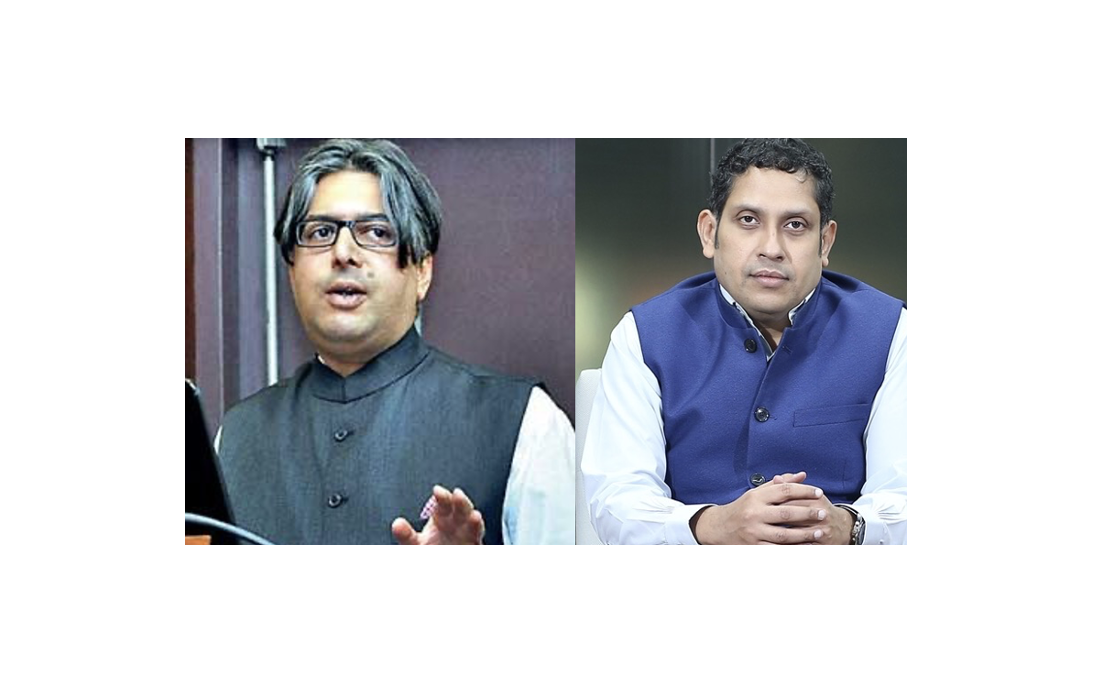

In 2016, Praveen Chakravarty and Vivek Dehejia publish a paper on India’s regional divergence coining the term “3-3-3 Puzzle.”
In India’s Curious Case of Economic Divergence, Praveen Chakravarty and Vivek Dehejia discuss the 3-3-3 Puzzle, a phenomenon highlighting significant income disparities among Indian states despite economic liberalization and growth. Specifically, India’s three richest states are three times richer than India’s three poorest states. Contrary to economic theory, which suggests that regions should converge in income over time, India has experienced a widening gap between its richest and poorest states, particularly since 1991.
The paper shows that in 1960, the income disparity was already notable, with the wealthiest states having GDP per capita 1.7 times higher than the poorest. By 2014, this figure had increased to 3. Chakravarty and Dehejia identify 1990 as a turning point when economic reforms amplified the divergence.
This divergence raises critical questions about federal policy, as the existing central policy-making structure might not effectively address unique regional needs. The authors suggest that fiscal and legislative decentralization could empower states to address local economic challenges. The 3-3-3 Puzzle thus illustrates the need for a nuanced approach to federalism that acknowledges India’s economic diversity and promotes balanced growth across all regions.