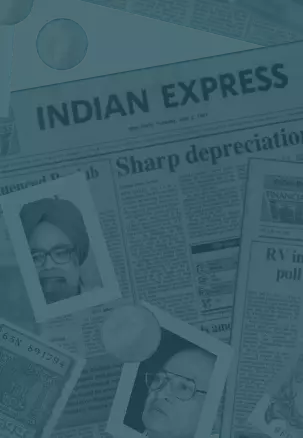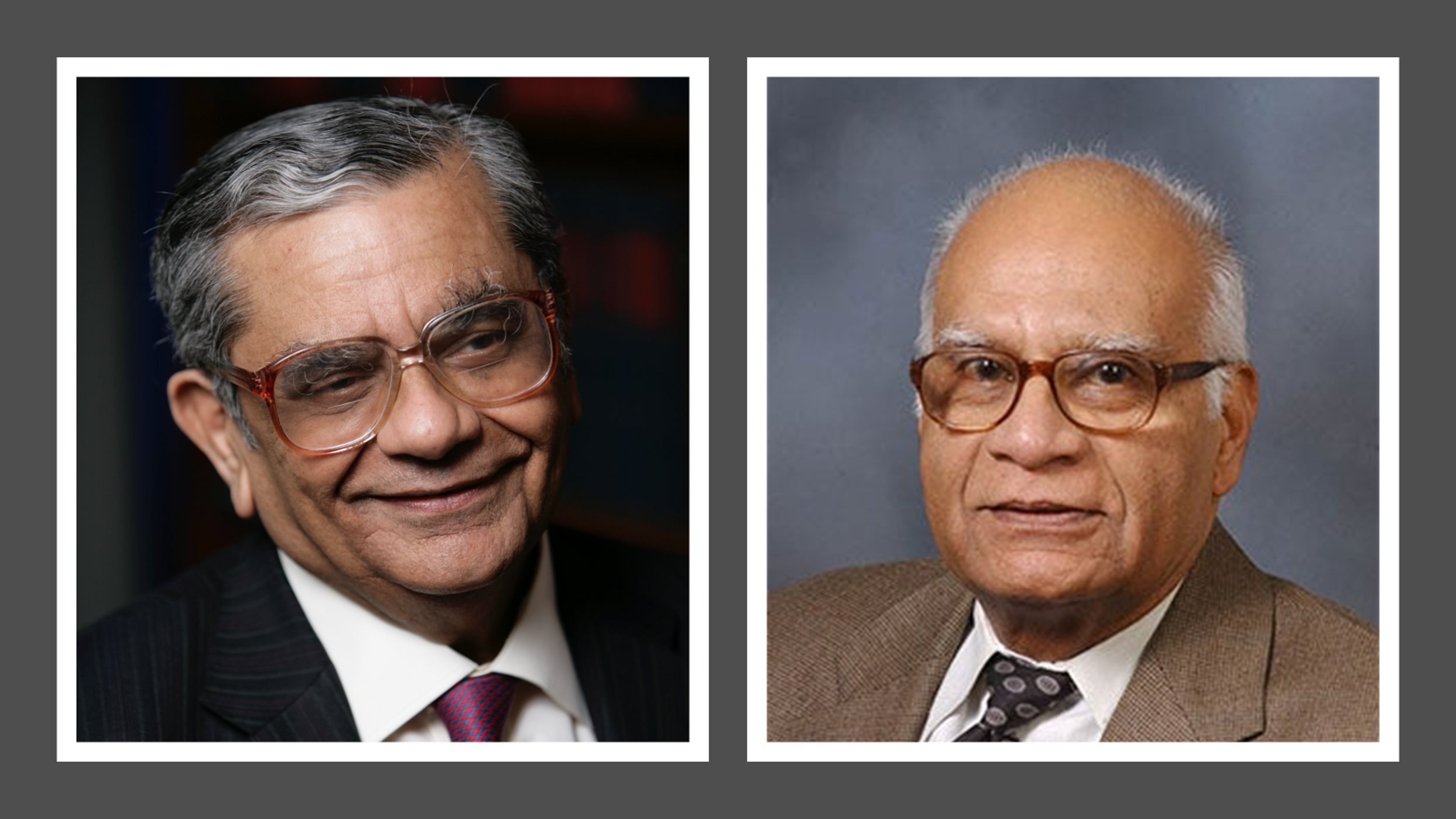

In 1991, India faced a severe economic crisis marked by a balance-of-payments deficit, depleting foreign reserves, double-digit inflation, and a fiscal deficit that had reached unsustainable levels. External shocks, including the Gulf War and rising oil prices, compounded the problem. India had also experienced slow growth rate during the period since independence, and a systemic overhaul in the form of structural reforms was required. In this context, the Indian government initiated a series of economic reforms under the leadership of Prime Minister P.V. Narasimha Rao and Finance Minister Manmohan Singh to stabilize the economy and shift toward a market-oriented framework. In 1993, as the reforms were ongoing, Dr. Manmohan Singh commissioned a report by economists Jagdish Bhagwati, Arthur Lehman Professor of Economics & Professor of Political Science, Columbia University, and T. N. Srinivasan, Professor of Economics, Yale University, to evaluate these reforms, identify ongoing issues, and recommend the next steps.
In their report, Bhagwati and Srinivasan noted that the “macroeconomic problems… had been accentuated by, if not largely been a result of, the microeconomic inefficiencies.” They highlighted several systemic problems. Macroeconomic inefficiencies, such as excessive fiscal deficits driven by unproductive government expenditure and reliance on external borrowing, created fiscal instability. Public sector enterprises were inefficient, consuming resources without generating returns, while trade and industrial policies, including the License Raj and high tariffs, stifled competition and innovation. Agricultural policies, including subsidies for fertilizers, electricity, and irrigation, disproportionately benefited wealthier farmers and strained fiscal resources. The financial sector was poorly regulated, with policies that limited private sector access to credit and increased exposure to risks.
To address these issues, the report proposed a set of comprehensive reforms, complementary to the reforms planned by the Rao government. It recommended expanding the tax base and simplifying the tax structure, with privatization proceeds used exclusively for retiring public debt to reduce fiscal pressures. The dismantling of the industrial licensing system was advised to encourage private investment, alongside the liberalization of imports through phased tariff reductions and the removal of quantitative restrictions. Institutional mechanisms to manage anti-dumping and safeguard measures were suggested to support freer trade. In agriculture, the report called for replacing subsidies with targeted support for small farmers and reforming the Public Distribution System to improve efficiency and reduce leakages.
The report emphasized the importance of maintaining reform momentum to prevent policy reversals and building public consensus through clear communication of the rationale and benefits of reforms. Strengthening the autonomy of the Reserve Bank of India and modernizing the financial sector were deemed critical for sustainable growth. It also urged India to engage actively in multilateral trade agreements and explore participation in emerging trade blocs to secure better market access and attract foreign investment. By addressing these systemic inefficiencies, the report sought to establish a framework for long-term growth, stability, and poverty reduction.