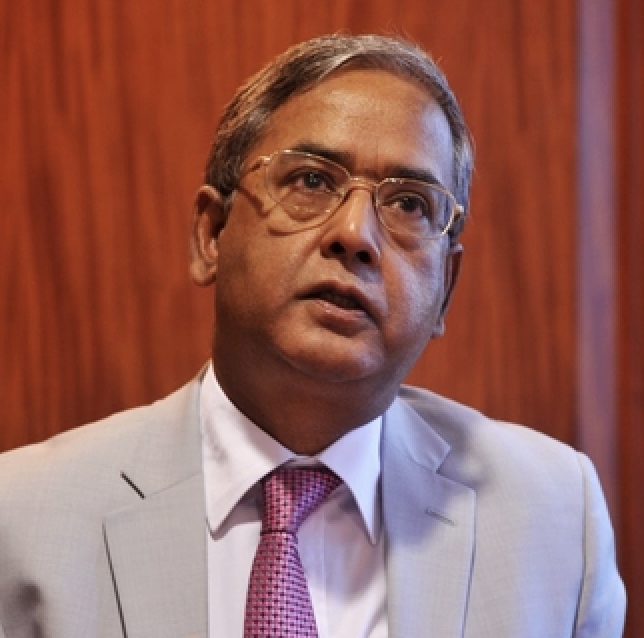

Report of the Internal Committee of SEBI on Unified Exchange-Traded Corporate Bond Market (2006), chaired by T. C. Nair
Download as PDF
In response to then Union Minister of Finance P. Chidambaram’s 2006 budget announcement, the Securities and Exchange Board of India (SEBI) formed a committee chaired by Dr. T. C. Nair, SEBI, to create a unified exchange-traded corporate bond market in India. Members included Pratip Kar (Executive Director, SEBI); R. S. Loona (Executive Director, SEBI); R. K. Nair (Executive Director, SEBI); and Dulal Chanda (Chief General Manager, SEBI). The announcement was based on the recommendations of the 2005 Kar committee report, which sought to develop the corporate bond market in India. The Nair committee was tasked with addressing structural deficiencies in the corporate bond market, where most trading occurred over the counter, lacking transparency, efficient price discovery, and reliable clearing and settlement mechanisms. The committee comprised senior SEBI officials and representatives from both the National Stock Exchange and the Bombay Stock Exchange (BSE) to assess their willingness and readiness to develop a centralized corporate bond market. The committee held multiple meetings between March and April 2006, focusing on infrastructure creation and identifying steps for phased implementation of a unified exchange-traded corporate bond market.
The committee recommended a three-phase approach. In the first phase, a centralized trade-reporting system for corporate bonds would be established within three months. This system would mandate real-time trade reporting, facilitating price transparency and market-data dissemination. BSE was identified as the platform best suited for this task because of its existing infrastructure. In the second phase, within one year, BSE would introduce an electronic order-matching system for corporate bonds, based on the equity market model, with rolling settlements and multilateral netting through its clearinghouse. In the final phase, a joint subsidiary of the National Stock Exchange and BSE would be set up within two years, dedicated to corporate bond trading, clearing, and settlement, ensuring specialized handling of debt instruments.
The committee also stressed the need for SEBI to regulate and simplify bond-issuance processes, particularly by reducing the time and monetary costs of public issuance while encouraging the consolidation of privately placed bonds. It proposed lowering the minimum market lot from Rs. 10 lakhs to Rs. 1 lakh to attract smaller investors. Additionally, the report recommended developing a centralized bond-issuance and -rating database, enhancing market access and transparency. To align the corporate bond market with international standards, the committee suggested adopting delivery versus payment for clearing and settlement. It also recommended introducing corporate bond repos and interest rate derivatives to foster secondary market liquidity. SEBI’s role in regulating the reporting system and trade-matching platforms and coordinating with the Reserve Bank of India and the Insurance Regulatory and Development Authority of India to engage various financial entities was deemed crucial for the development of the corporate bond market.
The committee’s recommendations to establish a unified corporate bond market were largely accepted. Key actions included BSE’s launch of a unified reporting platform in January 2007 and an electronic order-matching system in July 2007. The introduction of repos on corporate bonds, coordinated with the Reserve Bank of India, was also implemented to enhance market liquidity. BSE and National Stock Exchange have their own corporate-bond trading platforms and supporting clearing houses. These efforts marked a step toward improving the transparency and efficiency of India's corporate bond market, laying the foundation for its gradual integration into the global financial ecosystem.