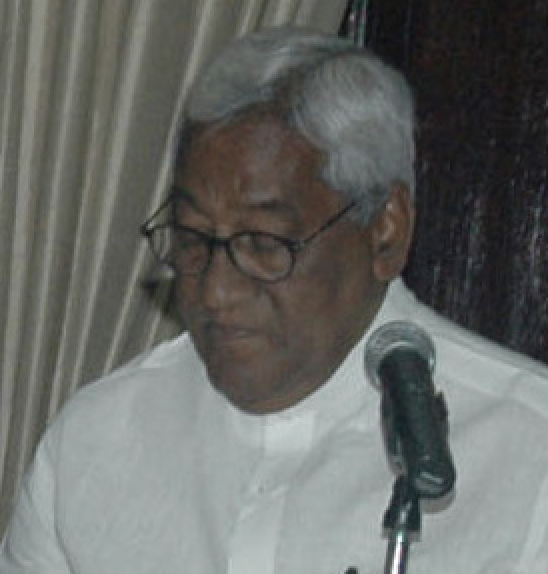

The Standing Committee on Finance of the Thirteenth Lok Sabha, chaired by N. Janardhana Reddy, Member of Parliament (MP), Lok Sabha, was formed to examine the Financial Companies Regulation Bill of 2000. This bill, introduced in the Lok Sabha on December 13, 2000, was referred to the committee on December 19, 2000, for detailed scrutiny and recommendations. The bill aimed to address growing concerns about nonbanking financial companies (NBFCs), which had seen significant growth because of their ability to mobilize deposits and fill credit gaps in sectors underserved by traditional banks. However, the rapid expansion of NBFCs, coupled with minimal regulatory oversight, led to several issues, including the failure of NBFCs to protect depositors and adequately address grievances. The committee’s formation was crucial in assessing the bill’s provisions and ensuring they were aligned with the broader goal of safeguarding the public interest. Members included Lok Sabha MPs Omar Abdullah; Raashid Alvi; Sudip Bandyopadhyay; Surender Singh Barwala; Ramesh Chennithala; Renuka Chowdhury; Daggubati Ramanaidu; Kamal Nath; Trilochan Kanungo; Rattan Lal Kataria; C. Krishnan; M. V. V. S. Murthi; Sudarsana E. M. Natchiappan; Capt. Jai Narain Prasad Nishad; Rupchand Pal; Prabodh Panda; Prakash Paranjpe; Raj Narain Passi; Sharad Pawar; Pravin Rashtrapal; Ramsinh Rathwa; Chada Suresh Reddy; S. Jaipal Reddy; Jyotiraditya Madhavrao Scindia; T. M. Selvaganapathi; Lakshman Seth; Kirit Somaiya; Kharabela Swain; and P. D. Elangovan. It also included MPs from the Rajya Sabha, such as Manmohan Singh; T. Subbarami Reddy; Murli Deora; Prithviraj Chavan; S. S. Ahluwalia; Swaraj Kaushal; M. Rajasekara Murthy; Biplab Dasgupta; P. Prabhakar Reddy; Amar Singh; Prem Chand Gupta; Palden Tsering Gyamtso; Raj Kumar Dhoot; Praful Patel; and Dinesh Trivedi.
The committee’s findings highlighted the scale of NBFC operations and the regulatory challenges posed by their growth. By 2002, the Reserve Bank of India had processed 36,349 applications for NBFC registration, approving 14,095 and rejecting 19,743. Despite these regulatory efforts, the aggregate public deposits mobilized by NBFCs steadily declined from 3.7 percent of scheduled commercial banks’ deposits in 1998 to 1.5 percent in 2002. The committee also examined previous regulatory measures, including 1997 amendments to the Reserve Bank of India Act, and the recommendations of various high-powered committees, such as the task force chaired by Shri C. M. Vasudev. These measures were deemed insufficient to address the sector’s challenges, particularly regarding depositor protection and the swift resolution of grievances. The task force’s recommendations, including delinking credit ratings from deposit quantum and enhancing statutory liquidity requirements, were incorporated into the bill.
In its conclusions, the committee underscored the necessity of comprehensive legislation to regulate NBFCs effectively. It supported the bill’s objectives but recommended several modifications to avoid unintended consequences for legitimate NBFCs. The committee suggested refining the definition of public deposits to exclude certain categories, such as those from shareholders, directors, and promoters, thereby facilitating business operations while safeguarding depositor interests. The committee also emphasized the need for transparency and accountability among NBFC directors, recommending that they be required to sign affidavits acknowledging their responsibilities. Additionally, the committee addressed concerns over the potential misuse of police powers in enforcing the bill, recommending safeguards to prevent the harassment of compliant NBFCs. Overall, the committee concluded that while the Financial Companies Regulation Bill of 2000 was a necessary step toward better regulation of the NBFC sector, it required careful adjustments to balance depositor protection with the operational flexibility of NBFCs.
The committee’s recommendations for the Financial Companies Regulation Bill led to key changes, including exclusion of non-deposit-taking NBFCs from regulation and enhanced accountability for directors. However, the government rejected the proposal to establish a formal advisory council under the Reserve Bank of India, opting to maintain the existing informal advisory mechanisms.
The committee identified significant regulatory gaps in nonbanking financial companies and recommended specific measures to protect depositor interests while maintaining operational flexibility for legitimate financial institutions.