
Report of the Working Group on Rehabilitation of Sick Small and Medium Enterprises (2007), chaired by K. C. Chakrabarty
Download as PDF
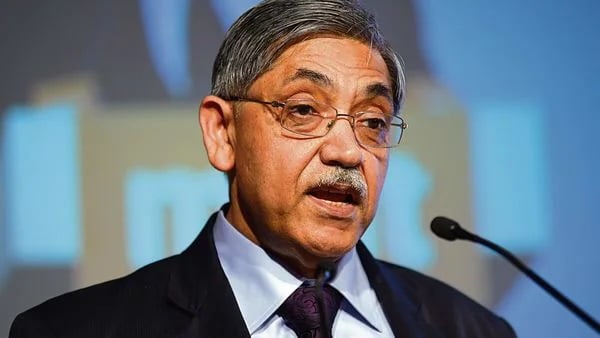
The Working Group on Rehabilitation of Sick Small and Medium Enterprises, chaired by Dr. K. C. Chakrabarty, CMD, Punjab National Bank, was formed in 2007 by the Reserve Bank of India to address the rising incidence of sickness in the micro, medium, and small enterprise (MSME) sector and develop strategies for its rehabilitation. Members included J. Chandrasekaran (CGM, SBI) and P. Rudran (CGM, SIDBI).
The group surveyed MSMEs, banks, government institutions, and industry associations to understand the challenges faced by the sector. Its report noted that MSMEs contributed over 39 percent to India’s manufacturing output and employed more than 31.2 million people. Despite their economic significance, many MSMEs were financially excluded because they had insufficient collateral for formal credit and because financial institutions perceived they were high risk. Between FY 1996/97 and 2006/07, the share of MSMEs in total bank credit fell from 12.66 to 6.34 percent. This financial squeeze hindered their growth and increased their vulnerability to financial distress.
The working group proposed several recommendations aimed at rehabilitating MSMEs, including simplifying loan-sanction procedures by eliminating the need for complex documentation, especially for working capital loans under Rs. 5 crore. It suggested that banks adopt the Nayak Committee (1992) norms, which proposed granting working capital loans based on 20 percent of projected turnover, with no need for detailed financial projections. To enhance financial support, the group called for expanding the Credit Guarantee Trust for Micro and Small Enterprises to cover 80 percent of loans up to Rs. 5 lakhs for microenterprises, lowering the risk to banks.
Additionally, the report urged setting up enterprise development centers to provide capacity-building services such as financial-management training, technology upgrades, and market access. To avoid delays in funding, the group also advocated coordinating term lenders and banks that provided working capital. It recommended that banks ensure timely working capital arrangements before production starts, suggesting moratorium periods for repayment. Furthermore, the group proposed establishing state-level MSME ministries to develop long-term policies and implement rehabilitation strategies. Emphasizing the need for public sector banks to play a more active role in MSME rehabilitation and support, the report drew on earlier recommendations from the Nayak (1992) and Ganguly Committees (2004).
Last, the working group called for creating centralized processing cells to streamline loan processing and a scoring model for faster approval of MSME loans under Rs. 2 crore. These cells would ensure timely loan disbursement and avoid the bureaucratic delays that contribute to sickness in MSMEs. The recommendations focused on immediate interventions to prevent viable MSMEs from becoming unviable and included strengthening the institutional framework to provide MSMEs with better access to financial and technical support.
Several key recommendations were implemented. The Reserve Bank of India eliminated the requirement for collateral on loans up to Rs. 10 lakhs, easing credit access. Additionally, to speed up rehabilitation, the government introduced simplified loan-application processes for loans under Rs. 1 crore and guidelines for early identification and treatment of sick MSMEs.
In conclusion, the report identified the lack of timely and adequate credit, bureaucratic delays, and insufficient institutional support as key challenges contributing to MSME sickness. To address these issues, it recommended measures such as collateral-free loans, simplified loan-sanction procedures, centralized loan processing cells, and the establishment of state-level MSME ministries.